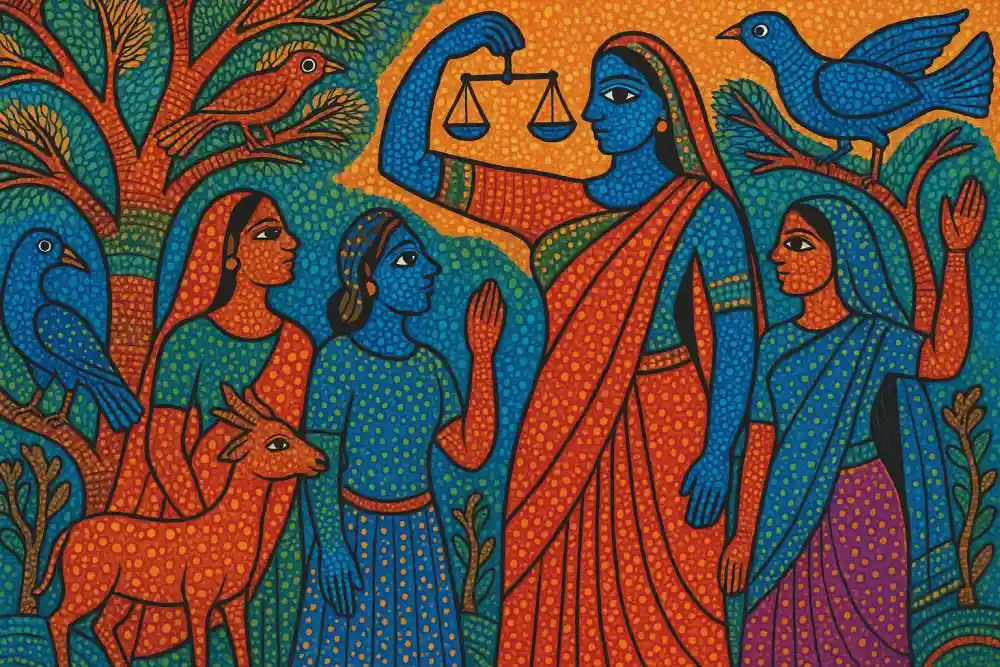
Protecting Women's Rights under Indian Law
Protecting Women’s Rights under Indian Law
The protection of women’s rights has been a cornerstone of India’s commitment to achieving equality and justice. Over the years, numerous legal frameworks and reforms have been implemented to address gender disparities, ensure safety, and empower women across the country.
This blog explores the key legal provisions that safeguard women’s rights in India, their significance, and the challenges that persist in achieving gender equality.
Constitutional Rights for Women
The Constitution of India guarantees several fundamental rights to ensure equality and non-discrimination:
-
Right to Equality (Article 14):
- Guarantees equal protection of the laws and equality before the law for all individuals.
-
Prohibition of Discrimination (Article 15):
- Prohibits discrimination on the grounds of religion, race, caste, sex, or place of birth.
-
Equal Opportunity (Article 16):
- Ensures equal opportunities in matters of public employment.
-
Right to Life and Personal Liberty (Article 21):
- Encompasses the right to live with dignity, a fundamental aspect of women’s empowerment.
-
Special Provisions for Women (Article 15(3)):
- Allows the state to make special provisions for women and children to advance equality.
Key Legal Provisions Safeguarding Women’s Rights
-
Protection from Domestic Violence:
- Law: The Protection of Women from Domestic Violence Act, 2005 provides a comprehensive framework to protect women from physical, emotional, sexual, and economic abuse.
- Significance: Allows for immediate protection orders and remedies, including residence rights and monetary relief.
-
Sexual Harassment at Workplace:
- Law: The Sexual Harassment of Women at Workplace (Prevention, Prohibition, and Redressal) Act, 2013, often called the POSH Act.
- Significance: Mandates the establishment of Internal Complaints Committees (ICC) in organizations to address complaints of harassment.
-
Prohibition of Dowry:
- Law: The Dowry Prohibition Act, 1961 criminalizes the giving and taking of dowry.
- Significance: Aims to curb the social evil of dowry, which has led to harassment and violence against women.
-
Maternity Benefits:
- Law: The Maternity Benefit Act, 1961 and its amendments.
- Significance: Provides paid maternity leave, creche facilities, and job security for women during and after pregnancy.
-
Equal Pay and Workplace Rights:
- Law: The Equal Remuneration Act, 1976 ensures equal pay for equal work, irrespective of gender.
- Significance: Addresses wage disparities and promotes workplace equality.
-
Criminal Laws Addressing Violence Against Women:
- Indian Penal Code (IPC):
- Section 498A: Addresses cruelty by husband or relatives.
- Section 375: Defines rape and prescribes punishment.
- Section 354: Protects against assault or criminal force with intent to outrage modesty.
- Significance: Provides stringent punishment for offenses against women.
- Indian Penal Code (IPC):
-
Prohibition of Child Marriage:
- Law: The Prohibition of Child Marriage Act, 2006.
- Significance: Declares child marriages voidable and prescribes penalties for those promoting or performing such marriages.
-
Rights in Marriage and Divorce:
- Governed by personal laws for different communities, such as the Hindu Marriage Act, 1955, Muslim Personal Law, and the Special Marriage Act, 1954.
Significance of Legal Protections for Women
-
Empowerment:
- Legal safeguards empower women to claim their rights and live with dignity.
-
Safety and Security:
- Laws like the Domestic Violence Act and POSH Act enhance the physical and psychological safety of women.
-
Economic Independence:
- Provisions like maternity benefits and equal pay promote economic empowerment.
-
Social Transformation:
- Legal interventions help challenge and change regressive societal norms.
Challenges in Protecting Women’s Rights
-
Implementation Gaps:
- Delays in enforcement and lack of awareness hinder the effectiveness of legal provisions.
-
Cultural Resistance:
- Deep-rooted patriarchy and cultural norms often resist legal reforms aimed at gender equality.
-
Judicial Delays:
- Overburdened courts lead to prolonged litigation, discouraging women from seeking justice.
-
Underreporting of Crimes:
- Fear of stigma and retaliation often prevents women from reporting crimes like domestic violence and harassment.
Recent Reforms and Developments
-
Criminal Law (Amendment) Act, 2013:
- Introduced stricter punishments for sexual offenses, including acid attacks and stalking.
-
Triple Talaq Ban:
- The Muslim Women (Protection of Rights on Marriage) Act, 2019 outlawed the practice of instant triple talaq, enhancing protections for Muslim women.
-
Increased Maternity Leave:
- The 2017 amendment to the Maternity Benefit Act increased paid leave from 12 to 26 weeks.
-
Fast-Track Courts:
- Dedicated courts to handle cases of sexual violence and domestic abuse have been established.
The Way Forward
-
Awareness Campaigns:
- Spreading awareness about legal rights through community outreach and education programs.
-
Strengthening Enforcement:
- Enhancing the capacity of law enforcement and judiciary to handle cases efficiently.
-
Economic Support:
- Promoting skill development and financial independence for women.
-
Cultural Change:
- Addressing societal attitudes through education and media to promote gender equality.
Conclusion
Protecting women’s rights under Indian law is crucial for building an equitable and just society. While significant progress has been made, sustained efforts are needed to address the challenges and ensure that every woman can exercise her rights without fear or discrimination.
By empowering women through legal and social reforms, India can continue to advance toward a future of equality, safety, and opportunity for all.